It's World Backup Day. Most agencies will post something about remembering to back up your files. I'm going to tell you what we've actually been building.
The Work Nobody Talks About
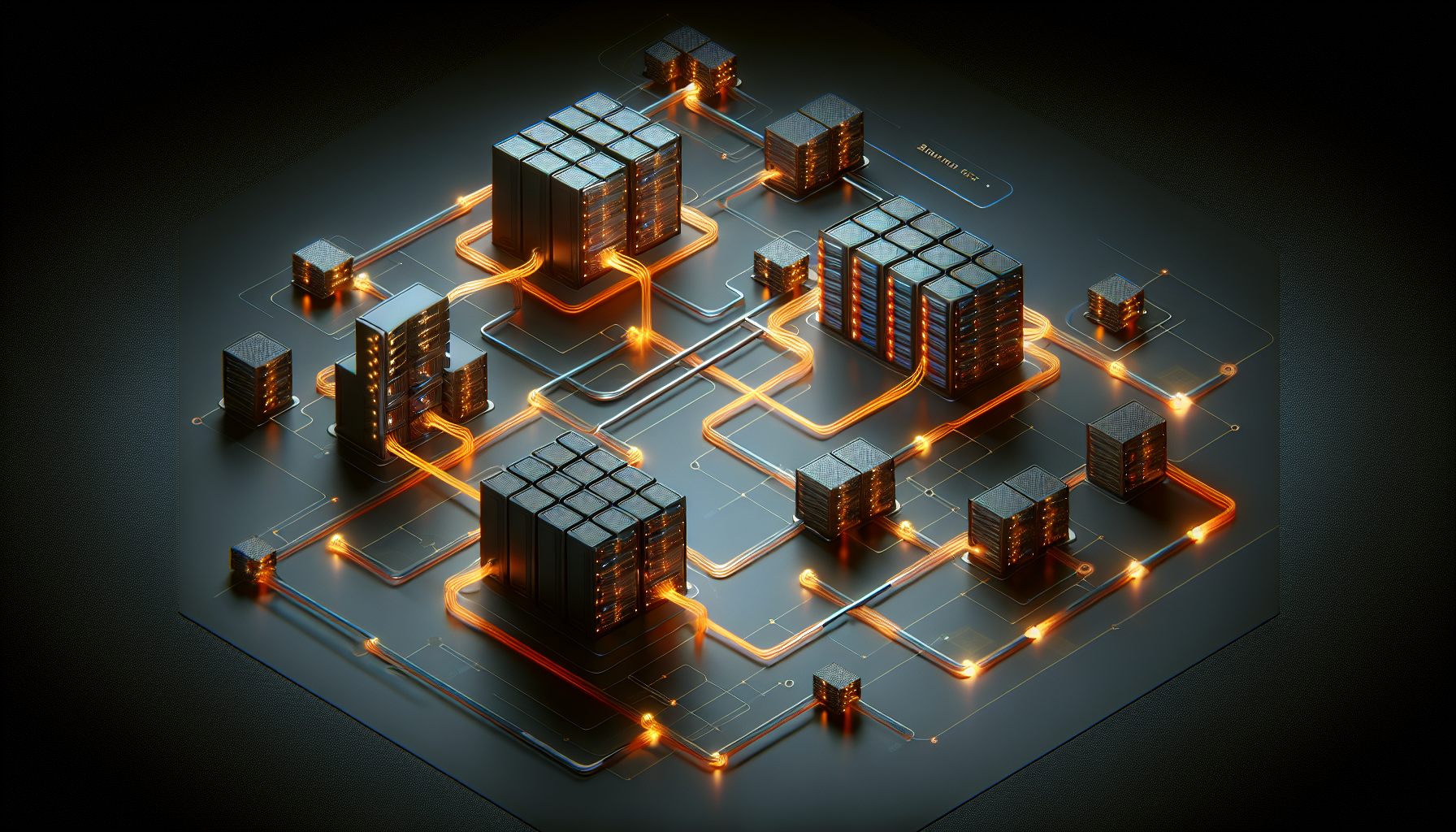
We don't just build websites. We think about what happens when things go wrong. Server-level backups. Cloud-level redundancy. Disaster recovery planning. The stuff that doesn't make it into a portfolio case study but matters more than any design flourish when a client's site goes down at 3am.
This month, we migrated everything to Cloudflare. Killed legacy PHP dependencies that were ticking time bombs. Centralised secrets management so API keys aren't scattered across config files like landmines. Built proper OAuth2 integrations. It's not glamorous work. But it's the difference between a website that runs and one that becomes a liability.
Building Tools That Solve Real Problems
When we hit the same problem three times, we build a tool. Then we productise it for other agencies.
Marbl Bridge handles WordPress content migration with smart field mapping. We got tired of manual CSV uploads breaking on character encoding or losing metadata. Now it's a proper tool.
Marbl Scraper extracts site content intelligently. Not just scraping HTML - understanding structure, preserving relationships, outputting clean data. Built because we needed it. Now other developers are asking for access.
Marbl Auditor is in progress - comprehensive site audits that go deeper than Lighthouse scores. Performance, accessibility, security, SEO, but also architecture decisions and technical debt. The kind of audit that tells you what to fix and why it matters.
We build these because agencies need better tools. The market is full of half-finished SaaS products that promise everything and deliver friction. We'd rather own the stack.
AI as a Colleague, Not a Gimmick
Here's how we actually use AI - not the marketing version, the real version.
Serene is our AI partner, built on Claude. She has her own codebase now. Every morning, she sends a branded brief - weather, school status, priorities for the day, and the latest intelligence from Luma (our AI news feed). It's not a novelty. It's part of the morning routine, like coffee.
We're running two instances of Serene on two machines doing parallel research for the same project. Different contexts, different approaches, same goal. Then we compare outputs. The overlap tells us what's reliable. The divergence tells us what needs human judgement.
This week, we deployed hub.marbl.codes - a living knowledge base that serves three audiences at once. Humans get clean HTML. AI crawlers get structured JSON. Our voice assistant Nura gets plain text optimised for speech. One source of truth, three formats. No duplication, no drift.
Three Judges, No Echo Chamber
Every piece of work goes through the Precogs before it ships. Three independent AI judges - GPT-4o, Gemini 2.0 Flash, and DeepSeek R1 - review the output. Different architectures, different training, different biases.
When all three agree, we ship with confidence. When they disagree, we investigate why. Sometimes it's a genuine edge case. Sometimes one model missed something the others caught. We just upgraded two of the three to the latest frontier models. The bar keeps rising.
This isn't about replacing human review. It's about catching the stuff we miss when we're too close to the work. A safety net made of silicon and statistics.
What's Next
We're launching workshops with David Perkins - practical sessions for business owners who want to understand what's actually possible with AI. Not hype. Not theory. Just honest conversations about tools that work.
Theia launches soon - our flagship care plan for businesses that want their digital infrastructure actually maintained, not just monitored. Proactive fixes, not reactive firefighting.
And we're packaging up everything we've learned about backups, redundancy, and disaster recovery into proper client offerings. Because World Backup Day shouldn't be the only day you think about this.
Most of this work will never make it into a flashy case study. But it's the work that matters. The infrastructure that holds when everything else fails. The tools that save hours of manual labour. The systems that catch mistakes before they ship.
That's what we've been building. Not because it's exciting. Because it needs to exist.